
THI Announces 2025-2026 Undergraduate Research Fellows
The Humanities Institute (THI) is thrilled to support nine THI Undergraduate Research Fellows during the 2025-2026 academic year.
Research Fellows come from a range of majors and are pursuing a diverse set of projects — from examining how AI-mediated intimacy reshapes cultural ideas of romance to investigating women’s roles in the dispossession, racialization, and the formation of the U.S.-Mexico Border through the early California Missions. THI fellowships encourage undergraduate students to pursue original projects that build on the research and writing skills they gain during their humanities coursework at UC Santa Cruz. The experience enriches students’ learning and prepares them for future opportunities as they work closely with faculty mentors on projects of interest. As part of our THI Research Fellows Program, we help undergraduate fellows prepare posters to share their research findings at the Humanities Division end of the year event.
This year, awardees received $1,000 each to support their research pursuits. Danielle Chaplin, an Intensive History major, was awarded the Bertha N. Melkonian prize for the top proposal and received an additional $1,000 award. Look for more information soon about this year’s Humanities Division Celebrating the Humanities event on May 27th, where all nine THI Undergraduate Research Fellows will be recognized.
See the fellows’ projects below and check our website for student profiles in the months ahead. You can learn more about how THI supports undergraduate students here.
Congratulations to our newest cohort of THI Undergraduate Research Fellows!
THI Undergraduate Research Fellows
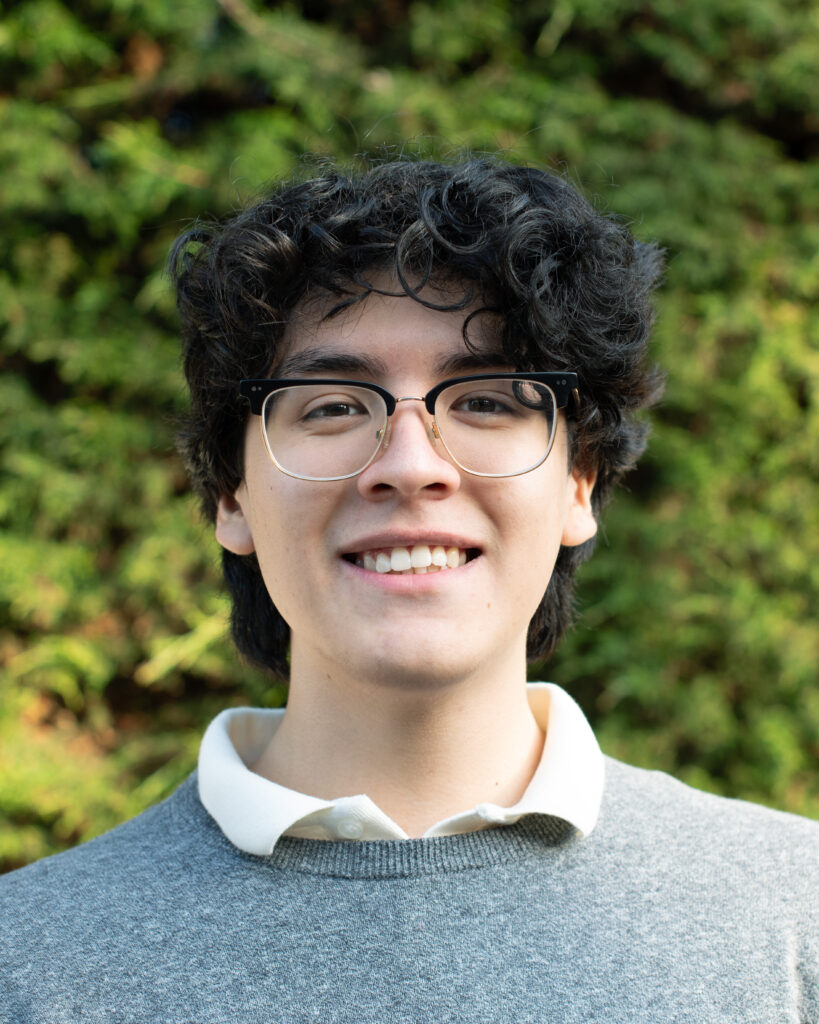
Juan Pablo Calvo Huerta, Linguistics
“Evidentials in Paraguayan Guaraní and Paraguayan Spanish”
Juan Pablo will study evidentials in the indigenous Paraguayan Guaraní language and Paraguayan Spanish, and determine if a modal analysis can make accurate predictions about these evidentials’ semantics. The results will build on previous literature on evidentiality, epistemic modality, and the relatively understudied semantics of Paraguayan Guaraní.
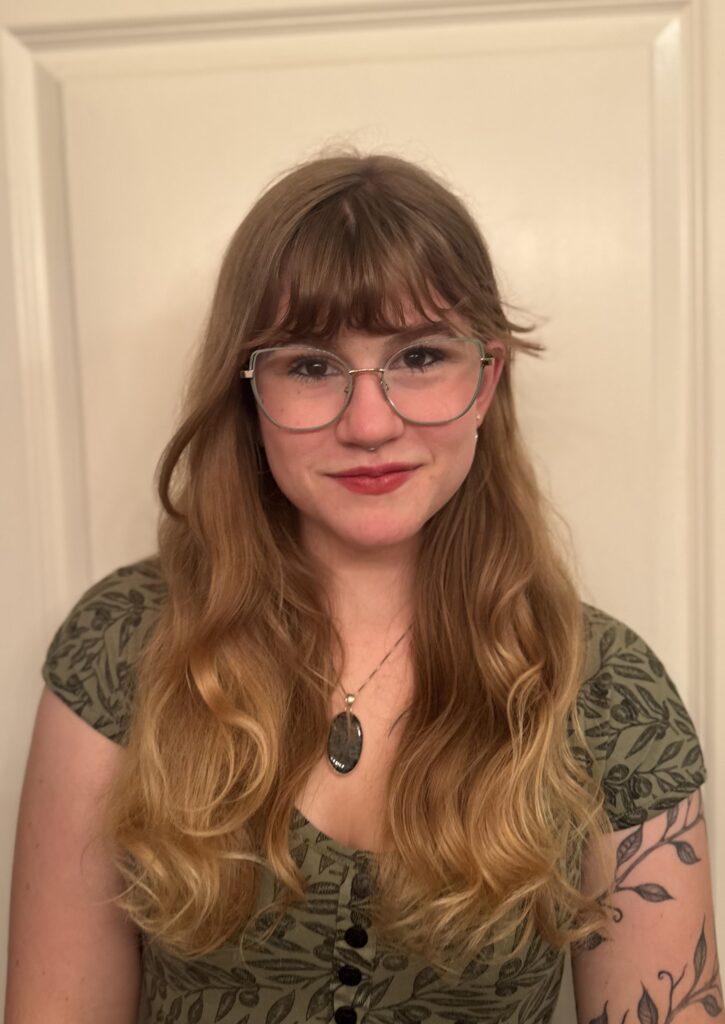
Danielle Chaplin, Intensive History
“From Revival To Rebellion: Gendered Selfhood and the Rewriting of Irish Modernity in Kate O’Brien, Nuala O’Faolain, and Emma Donoghue”
Danielle’s project investigates the evolving relationship between gender, sexuality, and nationhood in twentieth- and twenty-first-century Irish literature through the interlinked careers of three pivotal authors: Kate O’Brien (1897-1974), Nuala O’Faolain (1940-2008), and Emma Donoghue (1969-present). From the aftermath of the Gaelic Literary Revival—a movement that reasserted Irish cultural identity while upholding patriarchal and Catholic norms—these writers redefined the contours of Irish modernity by reclaiming the authority of women’s experience and sexuality. By combining close literary analysis with biographical and historical research, Danielle will examine how these authors’ lives and careers intersect with the broader political and cultural revolutions that reshaped Ireland from the 1930s to the present.
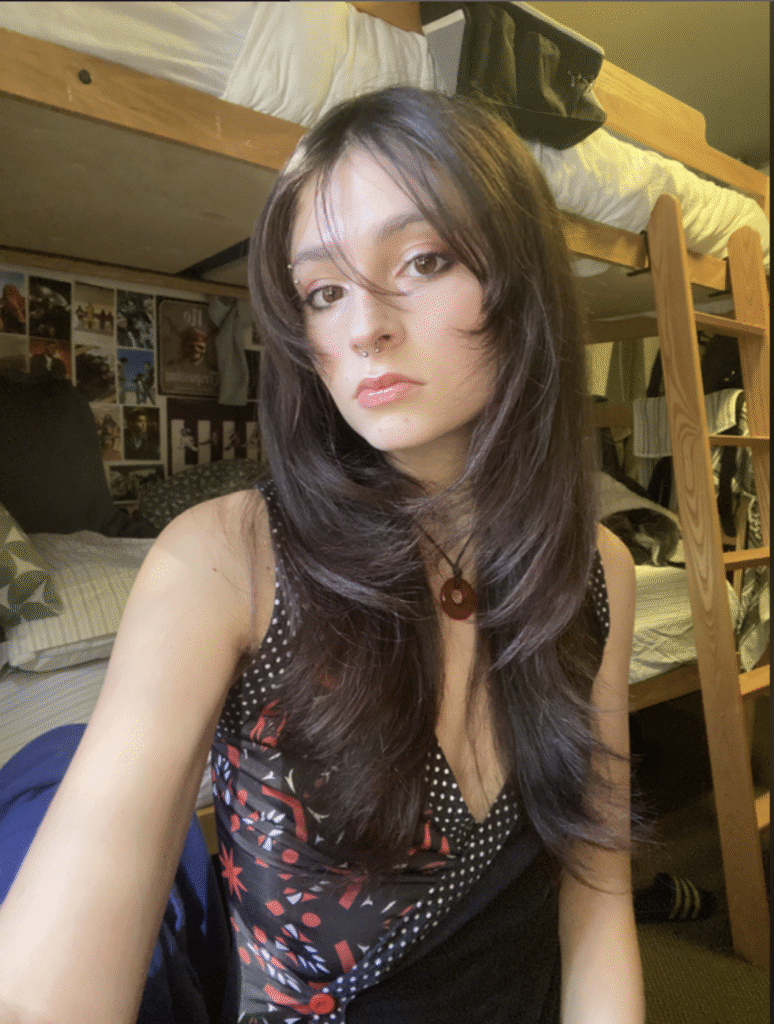
Sofia Dicesare-Bystrowicz, History and Sociology
“Eulalia Pérez and the Intersectionality Between Race, Californian Missions, and Gender”
The goal of Sofia’s project is to deepen an understanding of women’s roles in dispossession, racialization, and the formation of the U.S-Mexico Border through the early California Missions – and how they themselves become subjected to those same systems. Eulalia Pérez is one of these women: one who served Mission San Gabriel as a “mayordoma” and “la llavera,” responsible for surveilling the movement of Indigenous children and workers on the mission. She, like and unlike other women of the time, would ultimately be stripped of her power by the very principles she enforced: borders, ownership, and who gets to define them. This thin line between power and being stripped of it in a system built on exclusivity and borders is the focus of Sofia’s study.
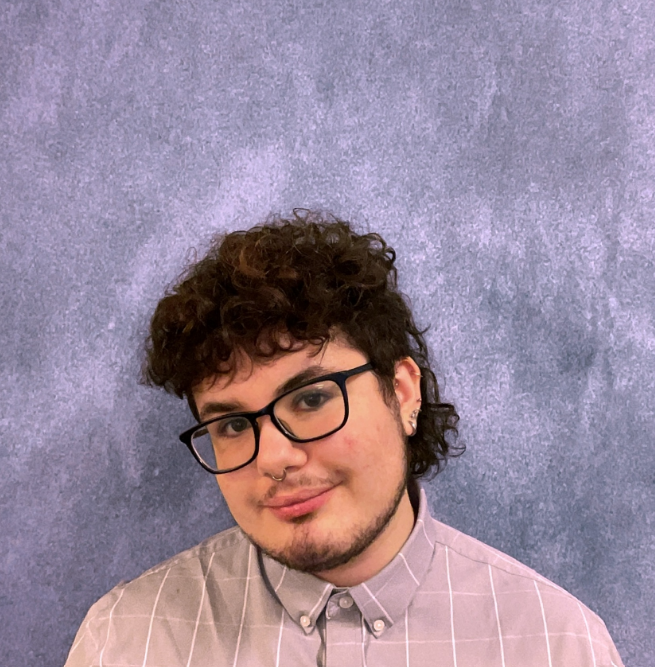
Tyler Kay, Linguistics with minor in History of Consciousness
“That vs. Which: Empirical judgements of relative clause acceptability with theoretical ramifications”
Several syntactic accounts of relative clauses have emerged over time, with two taking the foreground in contemporary discourse: the Matching and Raising analyses. These are quite difficult to disentangle in practice, and the theoretical work contrasting them is rife with untested empirical claims. Tyler’s research seeks to confirm or deny one of those empirical claims on empirical grounds, by learning whether actual speakers accept or reject the use of “wh-type” relatives in Raising contexts.
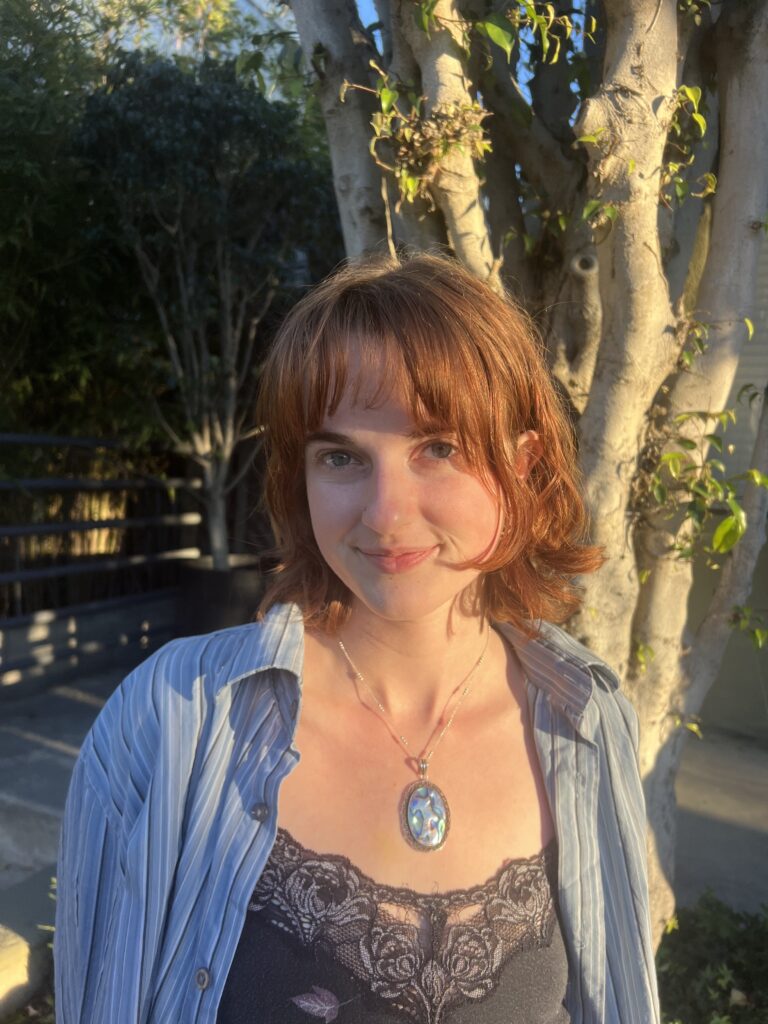
Inez Lynch Alfaro, Art and Feminist Studies
“As Mulheres: Constructed Gender, Family, and Archive in Rural Southeastern Brazil”
Inez’s project examines the construction of gender roles and identity across three generations of women in the same family in rural Southeastern Brazil. Through participant interviews and photographic documentation, she will analyze how cultural understandings of gender are established, passed down, and altered over time.
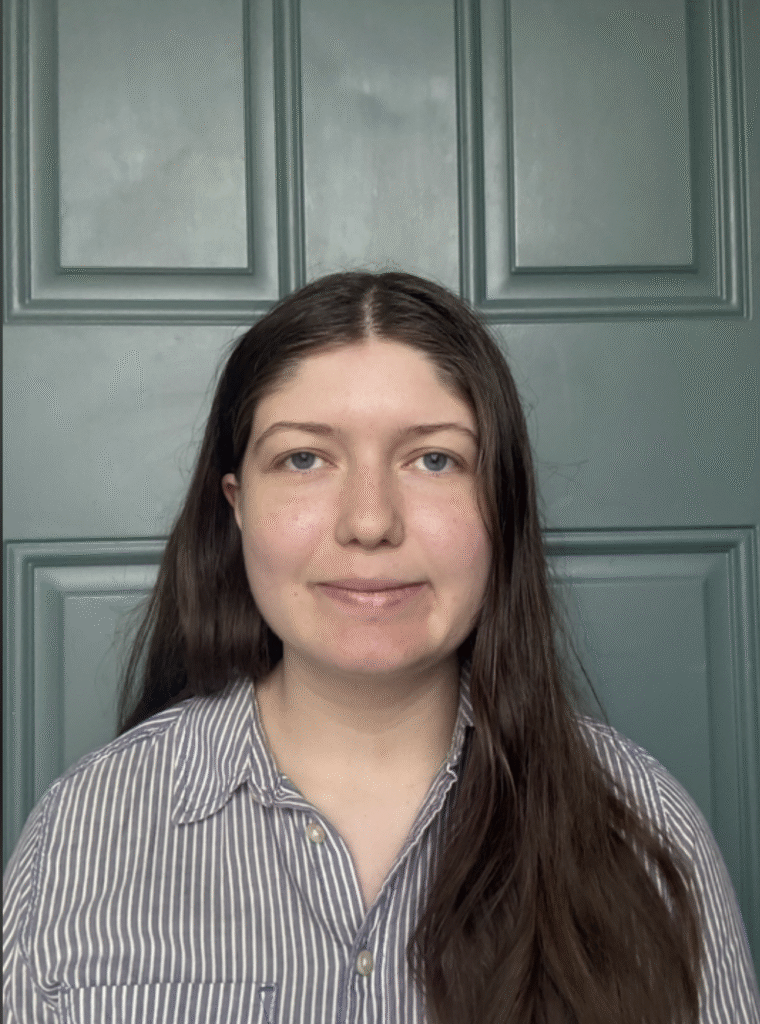
Grace Menagh, History and Literature
“British Empire and Patriotism in 19th Century Montreal”
Grace’s project will examine how Montrealers of non-British backgrounds expressed or resisted patriotism at the height of the British Empire in the late 19th century. The objective is to provide insight into how a diverse array of Montrealers felt about the British flag, British identity, and celebrations of Queen Victoria and other royals at the height of the British Empire as well as how these feelings shaped allegiances and divisions among and within these groups.
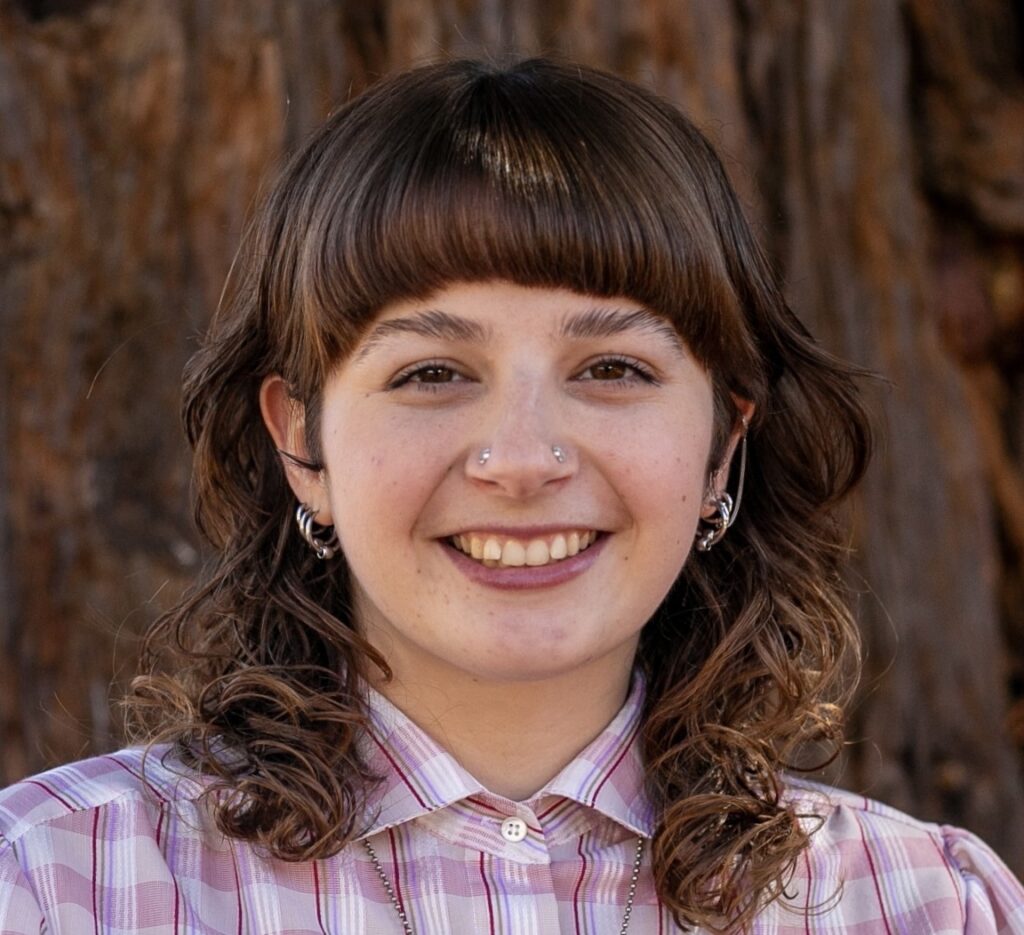
Jamie Penilla, History and Spanish Studies
“Gentrification and Aesthetics in Mexico City”
Jamie’s project examines gentrification in Mexico City as a cultural and aesthetic process, focusing on how changes in color, language, housing, and public space in neighborhoods like Roma, Condesa, and Coyoacán reshape belonging and inequality. Using fieldwork, interviews, and visual analysis, it explores the impacts of Airbnb tourism, digital nomadism, English-language dominance, and uneven access to green space. By paying attention to everyday shifts in how neighborhoods look, sound, and feel, the research centers the experiences of residents facing displacement and the gradual loss of local culture.
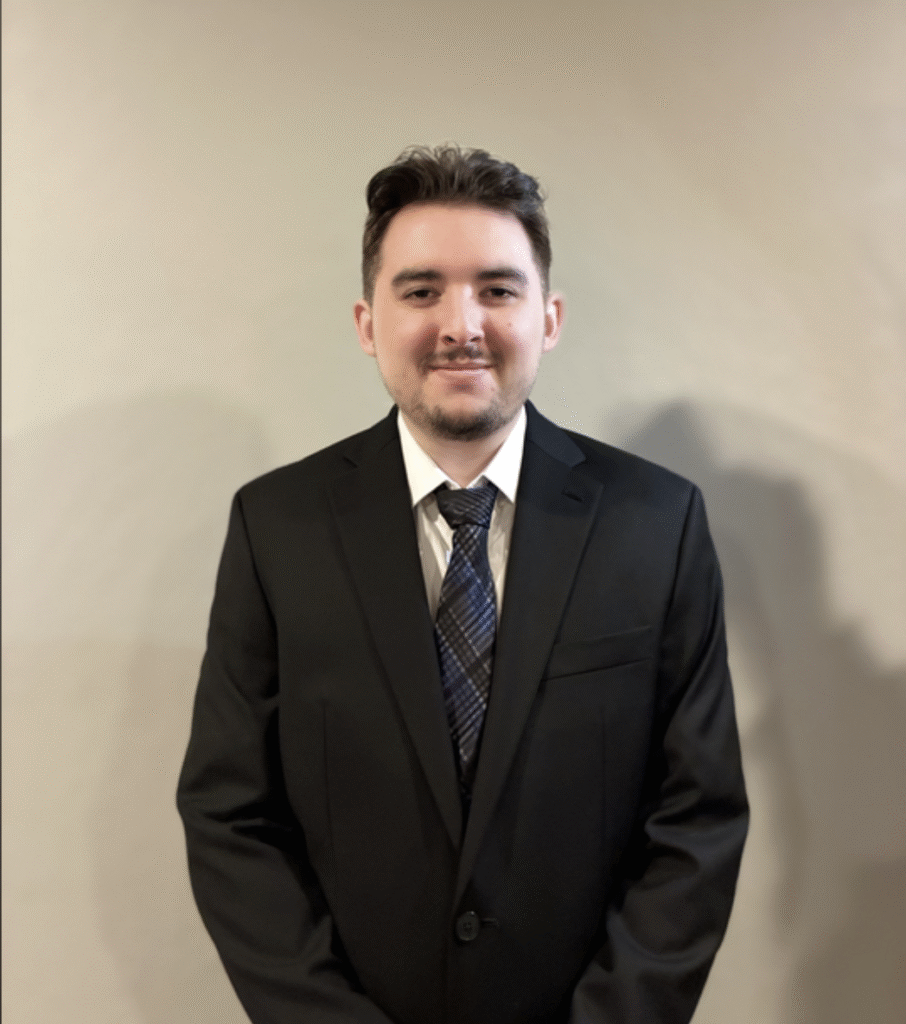
Joeb Stout, Intensive History of Europe
“Die Neue Frau: Weimar Women in American Contexts”
Joeb’s project will determine how Weimar emigrant women navigated, contributed to, and contradicted the image of Die Neue Frau. It examines the Neue Frau of the Weimar state and their image post-emigration into the United States between 1919 and 1933. Through extensive archival research in Washington, D.C., and the UCSC library digital archives, Joeb will trace how both officials in America and Germany interpreted these women, and how the cultural meanings of the modern woman shifted in relation to migration patterns.

Pilar Zapien, Literature and Spanish Studies
“Optimized Affection: AI Systems and the Rewriting of Love”
Pilar’s project will examine how AI-mediated intimacy reshapes cultural ideas of romance. By comparing traditional literary and film narratives of love rooted in chance and unpredictability with dating app algorithms and AI companions, the project will argue that algorithmic systems are rewriting what kinds of romantic stories feel possible today. Through literary analysis and digital platform critique, Pilar will show how AI functions not just as a tool but as a powerful narrative force shaping emotional norms and expectations. The final product will be a video
essay.