
Undergraduate Profile: Inez Lynch Alfaro
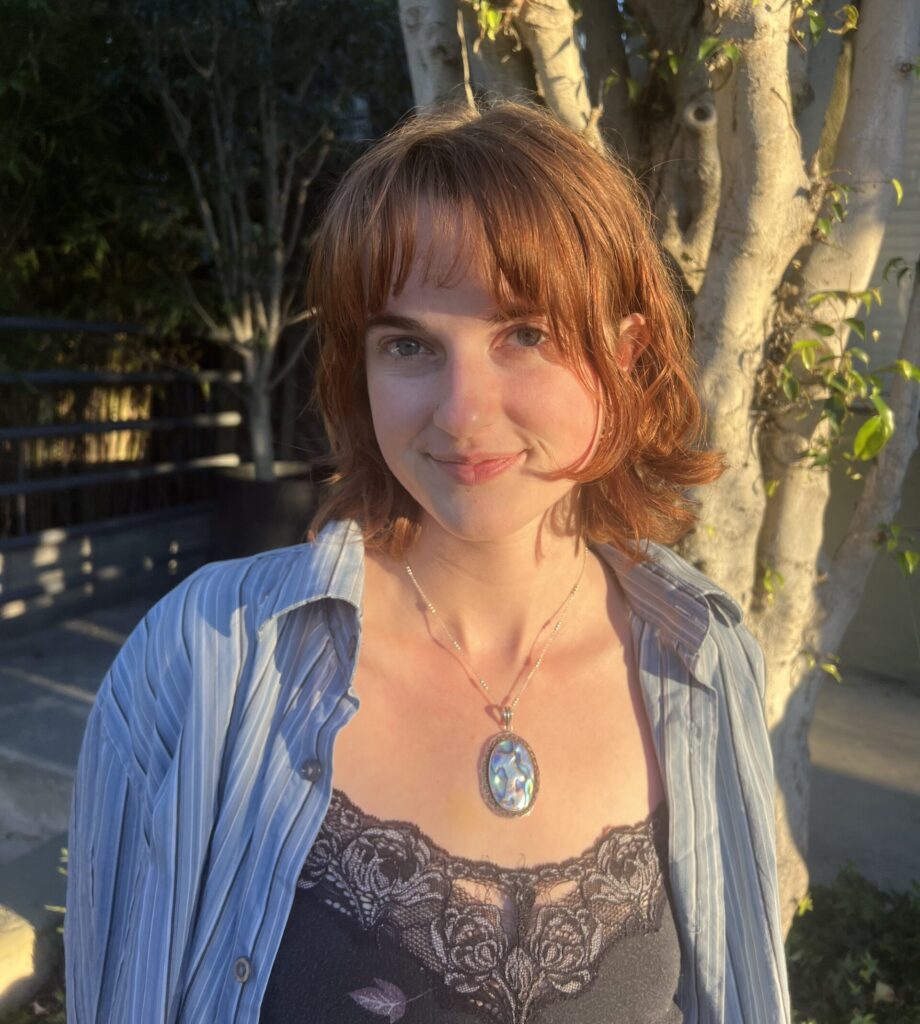
Inez Lynch Alfaro is a senior majoring in Studio Art and Feminist Studies at UC Santa Cruz and a 2025–26 THI Undergraduate Research Fellow. Her THI project combines feminist auto-ethnography, oral history, and photography to examine how ideas about gender are constructed and passed down across multiple generations in her family. To collect data for her research, Inez spent last December in Brazil photographing and conducting interviews with family members, as well as exploring her family archives. Her project will culminate in a photobook featuring archival materials alongside her own photographs and excerpts from interviews. We recently caught up with Inez to learn more about her experiences as a THI Fellow and her time conducting fieldwork in Brazil.
Hi Inez! Thanks so much for chatting with us. To get us started, could you share a bit about yourself and your academic interests? How did you choose your major(s)?
Hi there! Thanks for having me. Since coming to Santa Cruz, I have always been interested in the way that women and gender nonconforming people are represented in photographic and film media. This interest led me to studying art, film, and feminist studies, and eventually I decided to double major in studio art and feminist studies. Both departments have been so nurturing to me, and I find my work in both areas to be deeply impacted by each other.
We would love to hear more about your 2025-26 THI Undergraduate Research Fellowship. Could you tell us about the project you are working on? What inspired you to pursue this research?
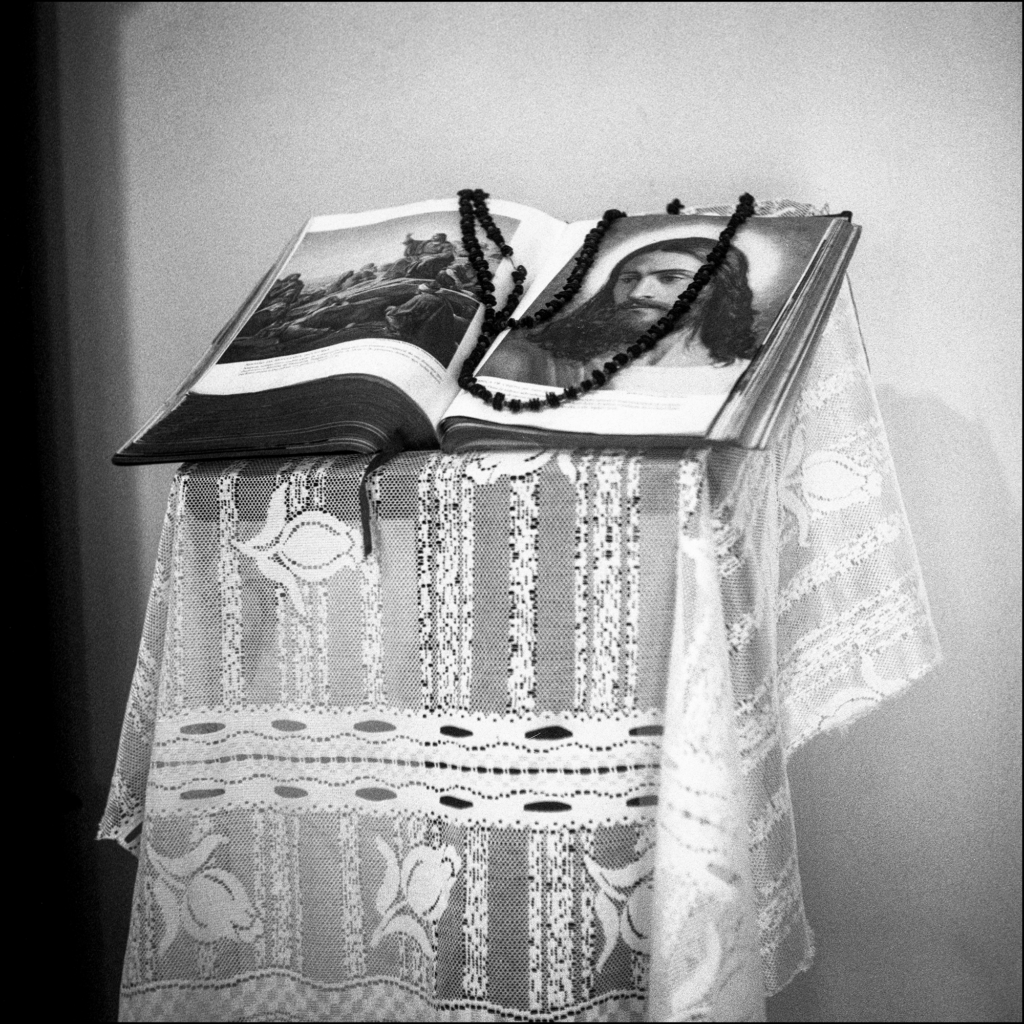
I am working on compiling stories and photographs from the women in my extended family who live in Espírito Santo, Brazil. Through participant interviews, my own photography, and archival photographs, I aim to unpack how ideas about gender are passed down through three generations of women. This project was deeply influenced by a class I took last fall, Feminist Ethnographies. Learning about feminist scholars who pushed the boundary of what ethnography could mean was very inspiring to me as someone who is also working in visual arts. I think this project encapsulates a lot of the questions I have been working through in both of my majors at UCSC, so it is really exciting to get to work on something like this.
What an intimate and personal project. I’m interested to learn more about your approach. Why did you decide to do oral histories in particular? What do you find powerful or compelling about oral storytelling as a qualitative research method?
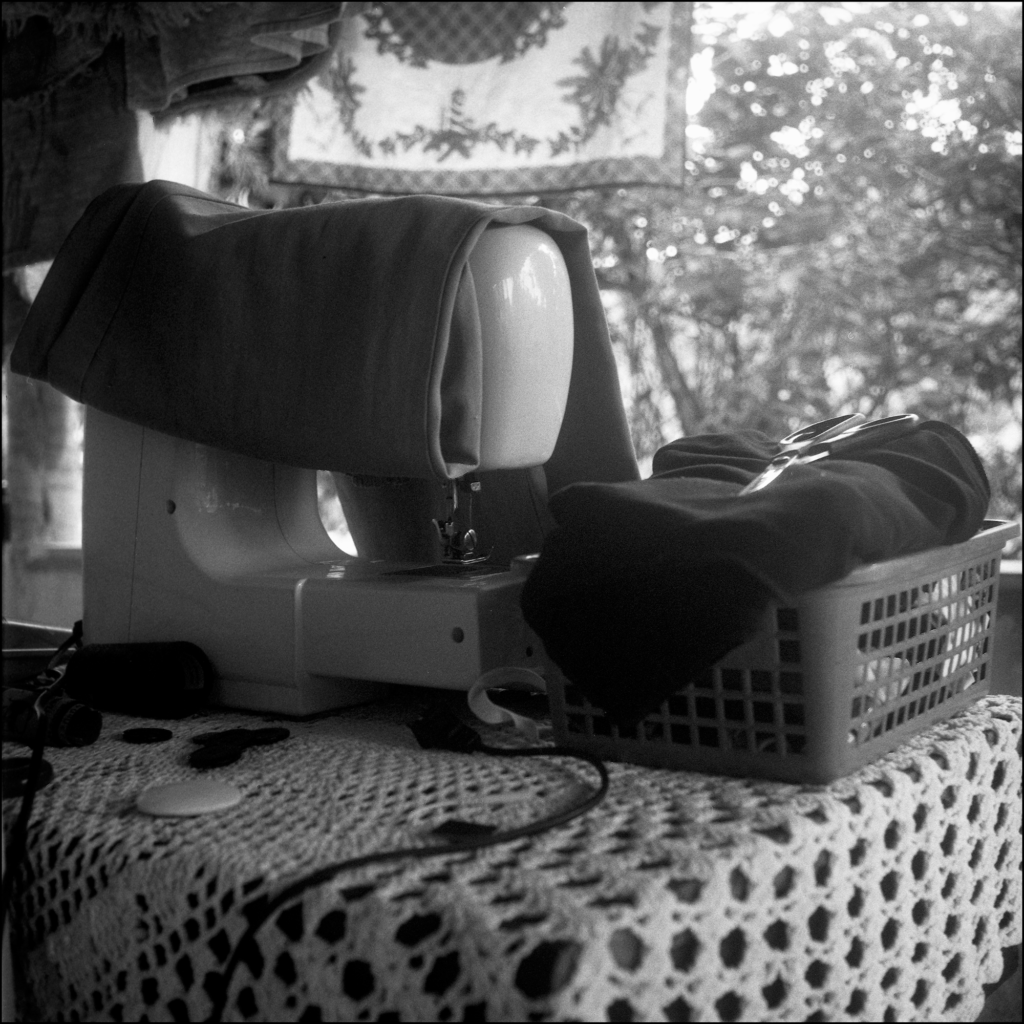
When I was conceptualizing this project, oral history seemed like the most accessible way to conduct this research, primarily because my grandma, one of the main participants, has limited ability to read and write. Perhaps because of this, her rich storytelling abilities have always stuck out to me. I think I first thought of this project as a way to archive some of her stories, but it then evolved into asking deeper questions about gender and class.
I think oral storytelling is extremely powerful because it is the main way that people communicate with each other. It is more fluid than written language, it is revealing of the way that people are thinking and revising their thoughts in real time.
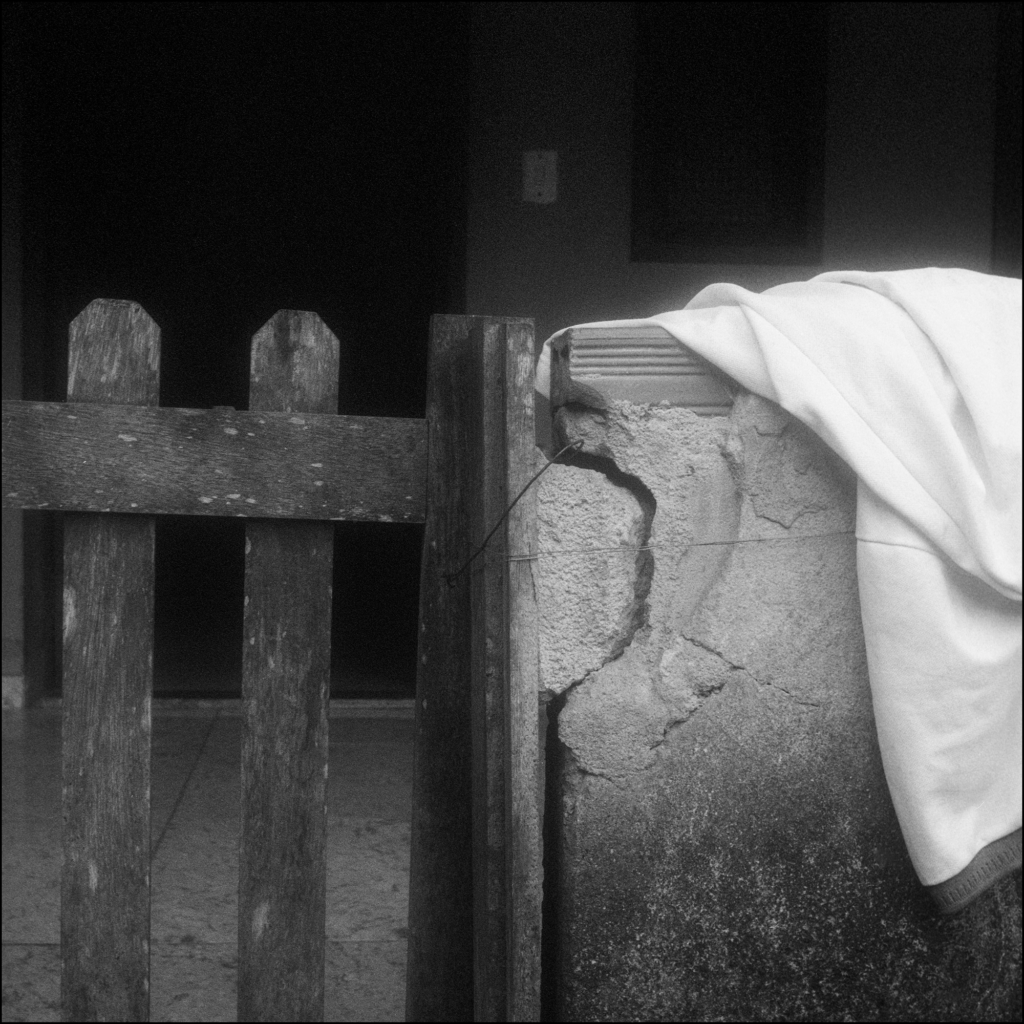
Another important aspect of my research is photography, which also was an intuitive decision because most of my art practice revolves around camera-based image making. I have never really worked with family archives before, and I wanted to see what meaning emerges between the images I created (imbued with my own perspective), and these vernacular photographs from all sorts of different perspectives.
I understand you visited Brazil last December to conduct interviews with your family members. What was that experience like? Was there a story, memory, or folklore that you found particularly meaningful? What’s been the most moving or challenging part of listening to their stories? And has working on this project changed the way you think about your family or about yourself?
I always find it difficult to translate my experiences in Brazil once I come back home. So much is different, it is a different language, environment, pace, way of life. This trip was particularly impactful because I was able to connect with my family in a new way through the interviews. Since I am not fluent (yet) in Portuguese, I have never been able to ask such deep questions to my family members, so it was super interesting to get to do that with the help of my mom.
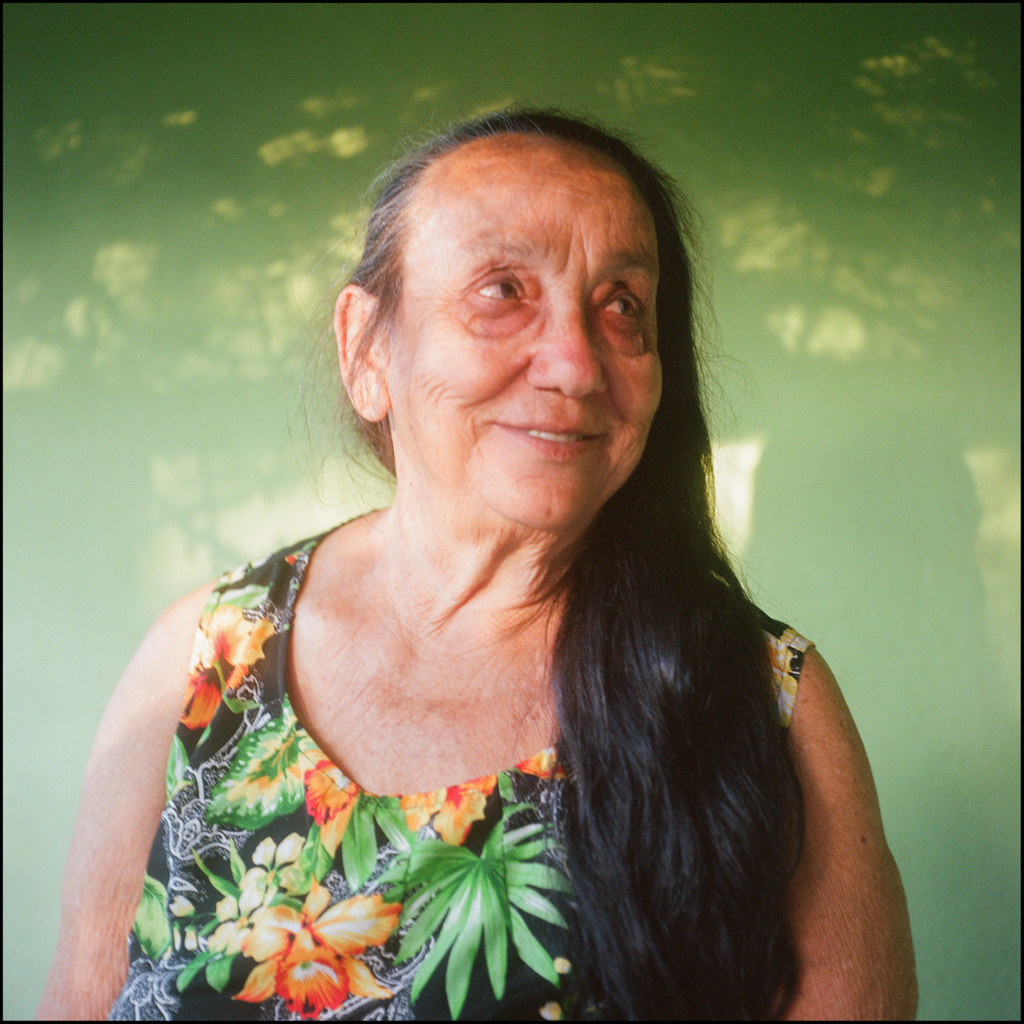
One thing that really stood out to me about the interviews was that when I asked each person who they looked up to/admire, they all said, “my mother” or “my grandmother” or “my sister” or “my daughter.” It really reinforced this community of women that they have built, and the strength and support that they have provided for each other throughout their lives and across generations.
This project has changed so much about how I think about my family because it has given me so much new information, so many new stories. It was an incredibly beautiful experience to conduct the interviews with my own mother by my side, and for both of us to learn things that we didn’t know about people who we have considered family for dozens of years. I keep wishing that I could do this project on every side of my family; it really underscored the importance of asking questions, even to people that you think you know well.
As you’ve started analyzing the interviews, what preliminary insights are starting to emerge from the stories you’ve collected? How do you hope this project might resonate with others beyond your own family?
The biggest thing that has stood out to me about this project has been the deep resilience that these women have shown. Throughout my interviews, they talked about extremely difficult and traumatic experiences, but they spent much time talking about all of the different people (mostly women) who have helped them keep going. In only three interviews I was introduced to a world of care, nurturance, labor, and strength.
I think there is something profoundly impactful about reading the interviews on their own, unedited. Hearing these women tell their stories in their own voices is so important, and I have already seen it resonate deeply with the people I have shared this project with. Ultimately these stories become tales of survival, of love, of motherhood, and determination. I am so proud to have gotten to learn from these stories, and I am so honored to have gotten the opportunity to conduct and share this research through this fellowship.
I understand you’ll be graduating this spring – congratulations! To wrap up, what have you enjoyed most about your time here at UC Santa Cruz?
Thanks very much! I think my experience in the art department here has truly changed my life. The people I have met through my work in photography and printmaking have provided a community of joy and support that has given me the confidence to tackle ambitious projects such as this one.
On that note, I want to invite those interested in seeing more of my photographic work (and the incredible work of my peers) to the 2026 Irwin Exhibition, which opens May 14th through June 13th at the Mary Porter Sesnon Art Gallery.
Banner image: Domingas outside her house in Santa Teresa, ES, Brazil. Photograph taken by Inez.