
Undergraduate Profile: Joeb Stout
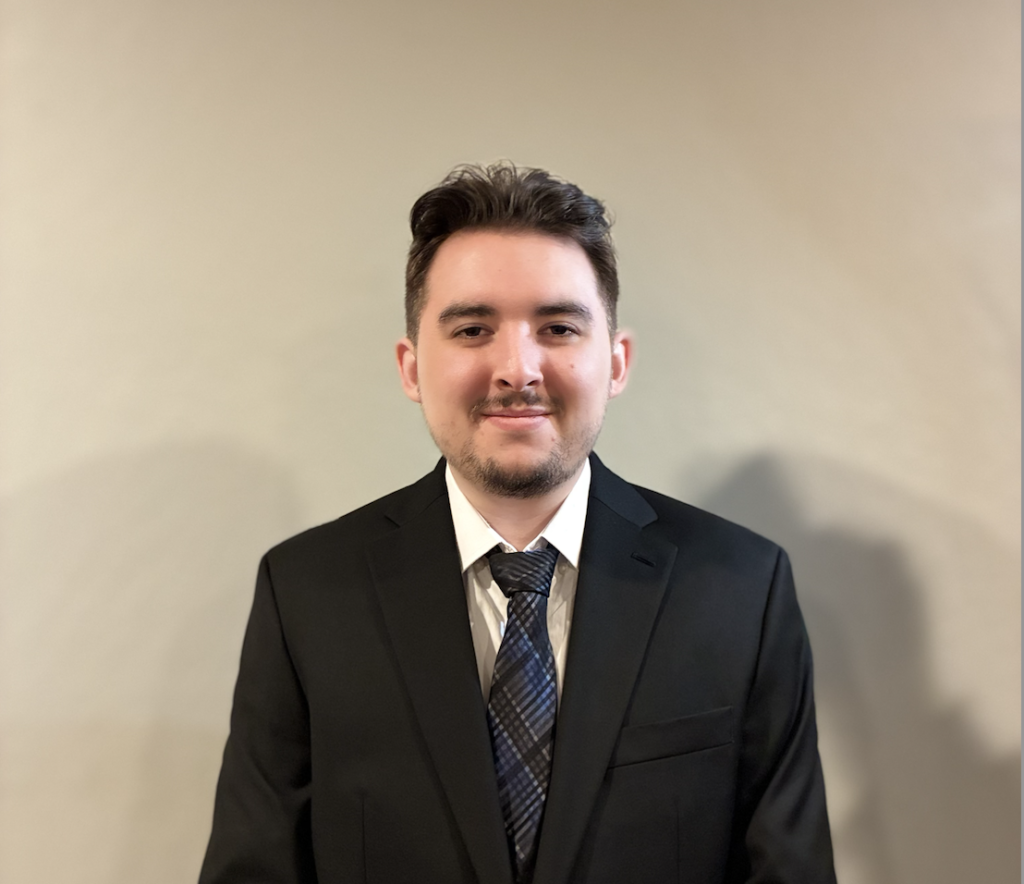
Joeb Stout recently graduated from UC Santa Cruz with a major in Intensive History and a concentration in Europe. In his senior year, Joeb was a 2025-26 THI Undergraduate Research Fellow. His research project examined the phenomenon of Die neue Frau or “The New Woman” — a feminist ideal of a working, independent and educated woman — as a transatlantic expression of the late 1920s. For his project, he traveled to Washington, D.C. to conduct archival research at the Library of Congress. We caught up with Joeb at the end of the academic year to learn more about his project, his experience conducting independent research, and his time in the D.C. archives.
Hello Joeb! Thanks for chatting with us. To get started, could you share a bit about yourself and your academic interests? How did you choose your major?
Hello, I am a soon-to-be alumnus of UCSC, graduating from the History Department as an intensive History major with a concentration in Europe. Most of the research I do pertains to women’s studies and to researching paradigm shifts during times of crisis, such as the Great Depression or a famine. I chose history to understand the events that led us to where we are as a society today.
Tell us about the research project you are working on for your 2025-26 Undergraduate Research Fellowship. What is ‘Die neue Frau’ and what sparked your interest in it?
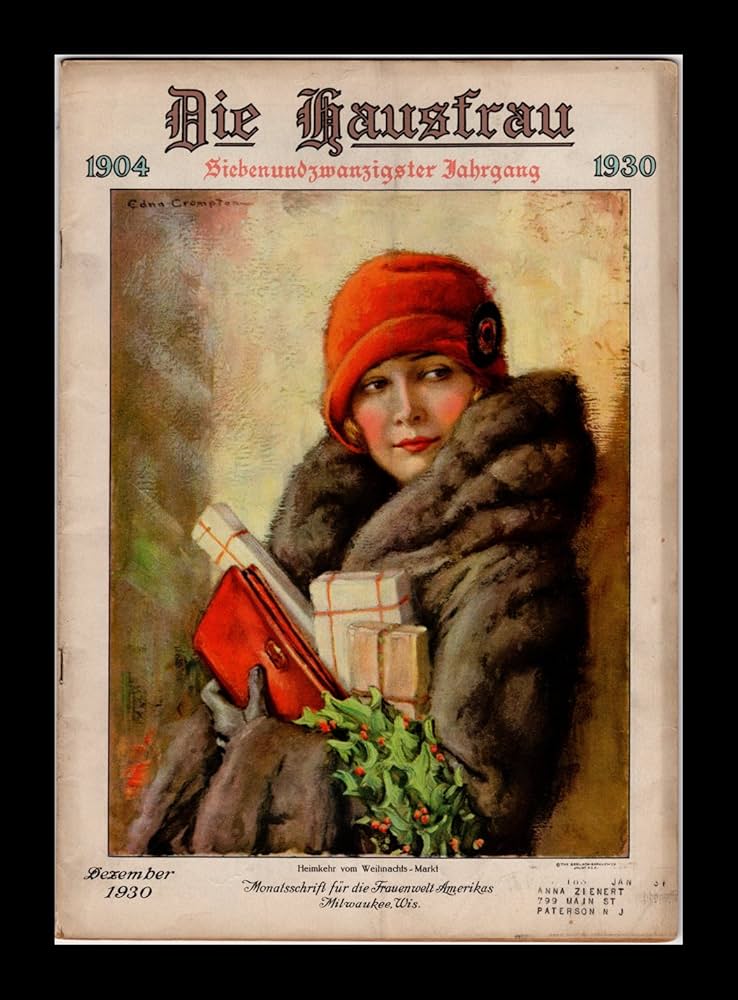
My project examines the phenomenon of Die neue Frau as a transatlantic expression of the late 1920s. For me, the “New Woman” represented a shifting of traditions towards modernity that could create a history study that showcased the old through the new. This dynamic became particularly interesting as cinema began to evolve beyond the silent film era, and actresses like Louise Brooks and Marlene Dietrich, who became icons of die neue frau, were leading pioneers in expressing themselves during this shifting moment. I became interested in this subject whilst speaking to Professor Bruce Thompson, as I was planning to take a Weimar class. Professor Thompson was familiar with my interests and pointed me in the right direction. Thanks to him, I was able to find a subject I now wholeheartedly adore.
I’m curious, what is the significance of exploring the circulation of ‘Die neue Frau’ in American contexts? Were there any differences in how Americans saw and understood the ‘New Woman?
The reaction of Americans was central to the argument, as movie critics were both horrified and disturbed by the performances of modern women. Through film, an interesting story is told in which Louise Brooks becomes the real face of the movement despite being American-born, while Marlene Dietrich, a German actress, transforms it into something much larger than itself. Examining the German “New Woman” on American screens tells a story in which the modernization of traditional gender roles was part of a much larger transnational conversation that could be further explored from different perspectives.
For your project, you conducted archival research at the Library of Congress in Washington, D.C. What was that experience like? What sort of materials did you examine to trace the figure of ‘Die neue Frau?’
Working with major libraries in Washington, DC, was such an interesting part of my research because of the moment in time I was living in DC. I was part of the University of California Washington Program (UCDC) in the Global Learning Department during Winter 2026, which was the term before the 250th anniversary of America, so much of the library and archives were either under renovation or temporarily closed. The time I spent with the librarians really created a newfound respect for the profession and inspired me to potentially follow their path. The help I received in person, as well as from online archives, has taught me a great deal about the solidarity found within the humanities. The materials I gained from this endeavor mostly had to do with the Bureau of Immigration and their reports on the immigrants entering the country, which taught me about what kind of people were coming to the US from 1921-1935 and showed me that German nationals were one of the largest groups coming to America because of a 1921 and 1924 policy decision on immigration.
We would love to hear about some of your findings. Has anything surprised you or stood out to you in particular?
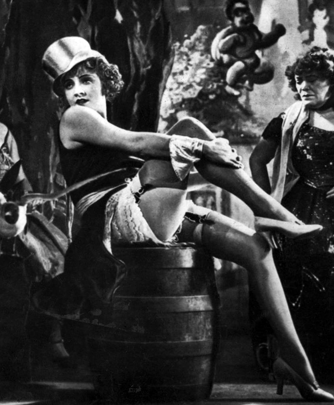
What has surprised me is how complicated the first question I asked in the project was about who the Neue Frau was and how she was received in America. I initially thought I would find a clear picture, but through my studies, I have found that the American New Woman and German Neue Frau emerged from many of the same social transformations. Moreover, the dynamic of the portrayal of Die neue Frau was so interesting from 1929-1932: in just three years, 2 movies would be banned, and one would be revered for showing the same kind of content on screen, with just different producers or filmed in different countries with different actresses.
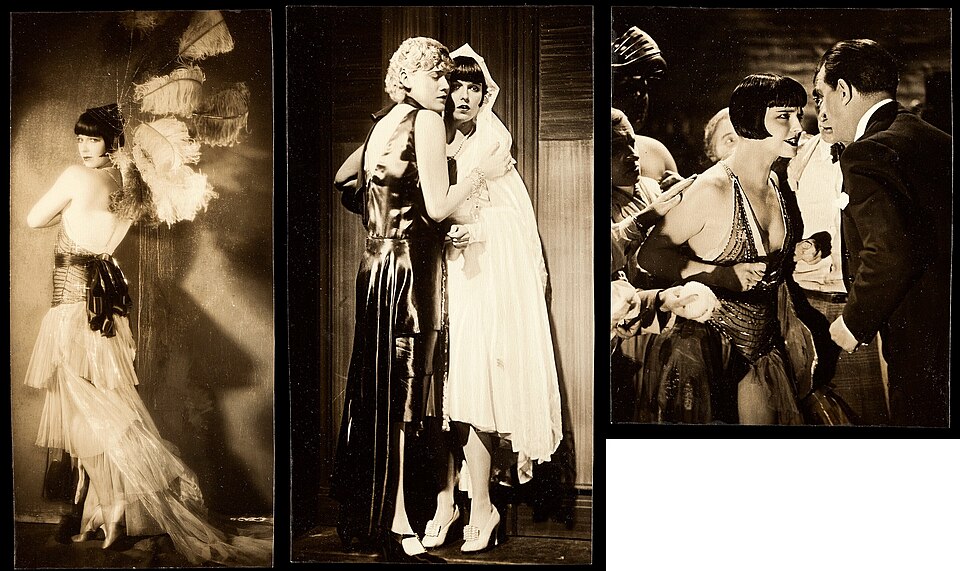
The treatment that Louise Brooks, an American, received from American censors and critics was so harsh that it created a problem: the flapper who became the icon of Die neue Frau was treated worse than the German who was inspired by the flapper movement, Marlene Dietrich. I am still not exactly sure why Louise Brooks was treated so unfairly, but it may have to do with the transition from silent cinema to talkies.
The last thing I found particularly astonishing was the events that changed the actresses’ culture. Going into the project, I thought I would find a lot more about the great depression or Nazism, but what I found was both Louise Brooks and Marlene Dietrich were very affected by the Lindbergh kidnapping – the abduction of 20-month-old Charles Augustus Lindbergh Jr., son of famed aviator Charles Lindbergh. Brooks highlighted the kidnapping in her memoir while Dietrich received copycat extortion letters demanding ransoms for her daughter Maria. It was the strangest thing; if you didn’t know about the event, after reading about it in its context, you would think it was as big a social disaster as COVID was.
To wrap up, could you share your experience conducting independent research and how the THI fellowship supported your project? What advice would you offer to other undergraduates hoping to pursue similar research opportunities, and what are you looking forward to next?

One of the biggest lessons I learned is that research is not a linear endeavor; rabbit holes and memoirs will constantly throw you 100 ft away from your question, and you have to learn to adapt and change your perspective as you go. The amount of new essay prompts I could write from just one short fellowship has truly inspired me.
The THI Fellowship gave me the resources I needed to really pursue a project of this scale. The amount of online databases and books that were hard to find and pay for wouldn’t have been possible without the support of THI. THI also showed me that those interested in the humanities can still find work; there are so many naysayers in government and in life about those who want to pursue studies in the humanities, but THI is really a cornerstone in proving them wrong.
My advice to other undergrads would be to seek more opportunities. Some of the most valuable learning opportunities you can have come from experiences outside the classroom. Be willing to ask around about what kind of programs you can get engaged with near you. There is often more than you would think. My next step is to pursue a master’s in history to continue growing as a researcher and, hopefully, one day as a professor.
Banner image: A lobby card for the 1927 film Rolled Stockings with Richard Arlen and Louise Brooks. Photo from Wikimedia Commons.
